
Punjab Govt Extends Private School Registration Period to Five Years
The Punjab government has announced an important decision for private schools across the province. The registration period for private educational institutions has now been extended from three years to five years. This change has been approved under the new education policy for 2025.
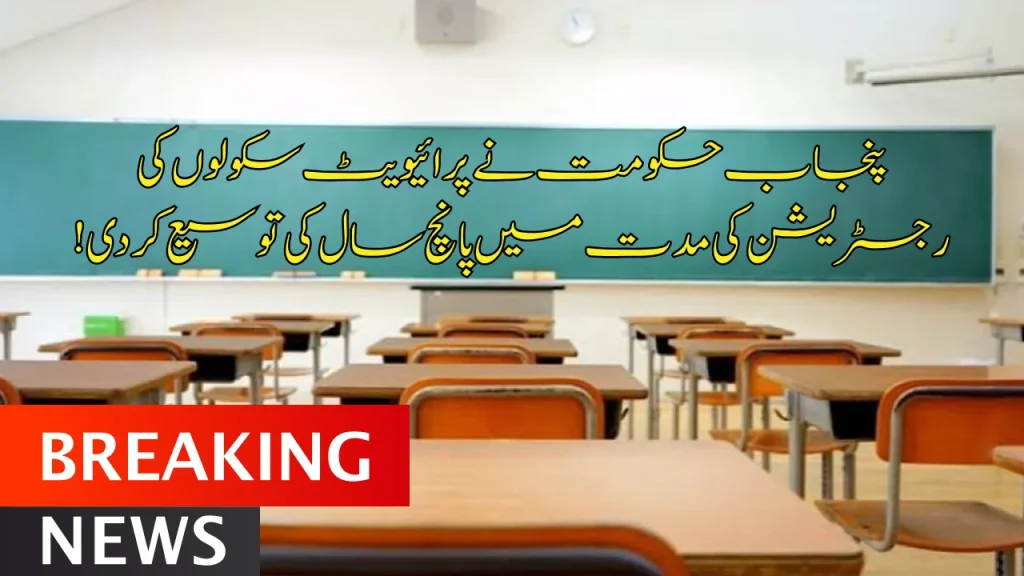
This move aims to reduce administrative pressure on schools and provide stability to school owners. It is also expected to improve compliance and planning within the private education sector. Thousands of private schools operating in Punjab will benefit from this updated registration policy.
What Is the New Registration Policy About
Previously, private schools in Punjab were required to renew their registration after every three years. This process involved paperwork, inspections, and renewal fees, which many schools found time-consuming and costly.
Under the new policy, schools will now be registered for a period of five years. This means fewer renewals, less paperwork, and more time for schools to focus on academic activities instead of administrative matters.
Why the Punjab Government Made This Decision
The decision was taken after reviewing long-standing concerns raised by private school associations. Many school owners had requested longer registration periods to reduce repeated compliance requirements.
The government also aims to improve ease of doing business in the education sector. By extending the registration period, authorities expect better cooperation from schools and improved monitoring through planned inspections rather than frequent renewals.
Who Will Benefit From the Five-Year Registration
This policy applies to most private schools operating within Punjab. Both small neighbourhood schools and larger private institutions are included, provided they meet the basic registration requirements.
The main beneficiaries include:
- Private school owners and administrators
- Teaching and non-teaching staff
- Parents and students who rely on stable school operations
Schools in rural and semi-urban areas are expected to benefit the most, as they often face difficulties in frequent renewal processes.
Impact on Existing Registered Private Schools
Schools that are already registered will not need to apply for immediate renewal if their registration is valid. Once their current registration expires, they will be granted a five-year registration instead of three years.
This transition is expected to be smooth, with education authorities issuing clear instructions. Schools are advised to keep their records updated to avoid any issues during the next renewal cycle.
Impact on New Private School Registrations
New private schools applying for registration will also be registered for five years from the start. However, they must still fulfil all required conditions before approval.
These conditions include:
- Proper building safety measures
- Qualified teaching staff
- Approved curriculum and facilities
- Compliance with local education rules
Once approved, the school can operate for five years without renewal concerns.
How This Change Reduces Administrative Burden
Frequent renewals often required schools to prepare documents, pay fees, and face inspections repeatedly. This caused delays and sometimes interrupted school operations.
With a longer registration period, schools will now deal with:
- Fewer renewal applications
- Lower administrative costs over time
- Better planning for infrastructure and staff
This allows school management to focus more on education quality instead of paperwork.
Effect on School Fees and Parents
Many parents worry whether policy changes lead to fee increases. According to available information, this registration extension does not directly affect school fees.
However, reduced administrative costs may help schools manage expenses better. Parents can expect fewer disruptions related to registration issues, ensuring continuity in their children’s education.
Role of Education Authorities Under the New Policy
Even though the registration period has been extended, monitoring will continue. Education authorities will still conduct inspections to ensure schools follow rules and maintain standards.
Authorities will focus on:
- Quality of education
- Safety and hygiene standards
- Teacher qualifications
- Student welfare
Non-compliant schools can still face penalties or cancellation if serious violations are found.
Legal and Regulatory Framework Behind the Decision
The extension has been approved as part of Punjab’s updated education policy framework for 2025. It aligns with efforts to simplify regulatory processes across different sectors.
This change does not remove the legal responsibility of schools. Institutions must continue to follow all existing laws related to education, labour, and safety.
Reaction From the Private Education Sector
Initial reactions from private school operators have been positive. Many see this as a practical step that acknowledges the realities faced by schools.
School owners believe that a longer registration period will help them invest more confidently in infrastructure, teacher training, and student facilities without worrying about frequent renewals.
What Schools Should Do Next
Schools are advised to review their registration documents and ensure compliance with all rules. While renewal pressure has reduced, maintaining standards remains essential.
Key steps schools should take include:
- Keep registration certificates safe
- Update school records regularly
- Address safety and staff requirements
- Stay informed about official notifications
Timely compliance will help avoid any future issues.
How This Policy Supports Education Stability in Punjab
Stable registration periods create a more predictable environment for schools. This stability supports long-term planning, better teacher retention, and improved student services.
When schools operate without frequent regulatory interruptions, education quality is more likely to improve. This benefits students, parents, and the education system as a whole.
Possible Challenges Despite the Extension
While the policy is positive, some challenges may remain. Schools that fail to maintain standards may misuse the longer period.
To address this, authorities will need strong monitoring systems. Regular inspections and complaint mechanisms will play a key role in ensuring accountability.
Conclusion
The extension of private school registration to five years is a significant step by the Punjab government. It reduces administrative stress while maintaining regulatory oversight.
For school owners, it offers relief and planning flexibility. For parents and students, it ensures continuity and stability. Overall, this decision reflects a balanced approach toward improving the private education sector in Punjab.