
Pakistan Set to Launch Nationwide Anti Polio Campaign From 15 December 2025
Pakistan is preparing to begin another major anti-polio campaign across the country from 15 December 2025. This will be one of the most important drives of the year, as authorities aim to reach every child under the age of five. The focus is to stop the spread of poliovirus and protect children living in both high risk and low risk areas.
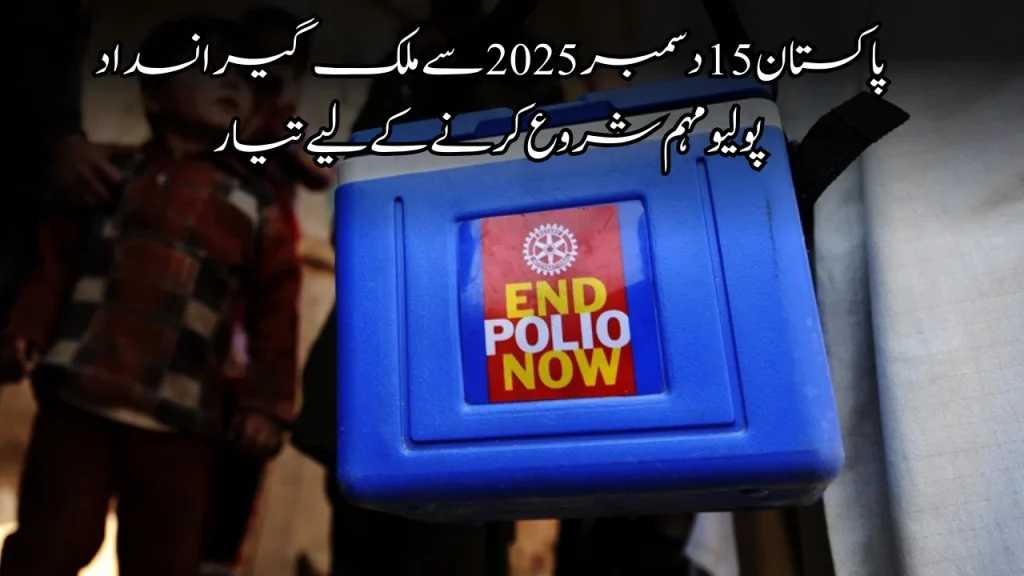
Officials say that this door to door vaccination effort will cover almost all districts. Thousands of workers will be going into neighbourhoods, schools, hospitals and remote villages to make sure that no child is missed. The campaign comes at a time when health experts have again warned about fresh poliovirus traces found in different sewage samples.
Parents are being strongly advised to welcome vaccination teams and ensure their children receive the drops on time. These drives remain the most reliable way to protect the younger population from a lifelong disability.
Why This Anti Polio Drive Is Important
Health authorities have confirmed that poliovirus still exists in some parts of Pakistan. Even a small number of cases can grow into a bigger threat if vaccination is ignored. The upcoming December drive is important because:
- Winter is considered a sensitive season for the virus.
- Movement of families increases during the holiday priod, which can spread infection from one city to another.
- Fresh sewage samples in recent months have detected poliovirus in more than one district.
- Many children missed their routine doses due to weather and travel delays earlier in the year.
The aim of this campaign is to close all immunity gaps. Each round of vaccination helps keep the virus under control and reduces the chance of outbreaks.
When the Campaign Will Start and Who It Covers
The nationwide polio drive will begin on 15 December 2025. It will continue for several days, depending on the situation in each province. Some districts may run an extended campaign to catch up on areas where coverage has been slow.
Children who must receive the polio drops include:
- All children aged 0 to 59 months.
- Newborn babies who have not yet received their first doses.
- Children living in far flung communities where access to health centres is limited.
Parents do not need to register anywhere. Vaccination teams will visit homes directly, and fixed centres will be set up in public places for families who may miss the door to door visit.
How Vaccination Teams Will Work This Year
The government has decided to use a more organised method for this round. Teams will receive training before going into the field. Health officers will monitor their progress daily to make sure no area is ignored.
Here is how the teams will operate:
- Door to door visits across all urban and rural areas.
- Transit points, including bus stands and railway stations, will have special teams to vaccinate travelling children.
- Schools and madrassas will help guide students to fixed vaccination desks.
- Lady health workers will take part, especially in areas where families prefer women vaccinators.
- Digital monitoring tools will be used to check coverage rates in real time.
These steps are meant to improve performance and help teams reach children who are often missed.
Provinces Preparing for Large Scale Participation
Every province has started making arrangements for the mid December campaign. Provincial health departments have been given targets, timelines and detailed instructions.
Punjab
Punjab plans to cover a very large population in this drive. Strict monitoring will be carried out in Lahore and Rawalpindi, where poliovirus samples were found earlier this year. Health officials say that support from parents will play a major role in achieving the coverage target.
Sindh
Sindh will focus on Karachi and interior districts. Vaccination teams have already been trained for high risk areas. Special attention will be given to children living in slums and informal settlements.
Khyber Pakhtunkhwa
Some of the most sensitive zones are located in KP. The government is planning strong security arrangements so teams can safely visit all neighbourhoods. Special mobile units will reach hilly and remote terrains.
Balochistan
Balochistan’s health department aims to expand access in far flung villages where movement is difficult during winter. Local volunteers will support the teams to improve community trust.
Why Parents Should Not Skip Polio Drops
Many parents believe that one or two doses of polio drops are enough. But the virus can only be defeated when every child is vaccinated in every round.
Skipping even one campaign can put children at risk because:
- The virus spreads silently and survives in contaminated water.
- A child who misses the drops can become infected easily.
- Polio can cause paralysis that lasts for life.
- Regular vaccination strengthens immunity and protects the whole community.
Parents should therefore treat every campaign as important, even if their children have received previous doses.
How to Know if Your Child Was Missed
Sometimes vaccination teams may not find families at home. If your child was missed, you can still get the drops by visiting:
- Basic health units
- Government hospitals
- Rural health centres
- Fixed desks set up during the campaign
Parents can also contact the official helpline if they did not receive a visit in their street. Public messages will be broadcast on television and radio to guide people throughout the campaign days.
Safety Measures for Vaccination Teams
Polio workers play a very important role, often walking long distances to reach every house. The government is arranging proper training, safe transport and security for them. Local administration has been asked to:
- Provide security staff where needed
- Assist with transport for remote areas
- Ensure clean drinking water for teams
- Respond quickly to any emergency call
These steps help teams perform their work smoothly and safely.
Link Between Clean Water and Polio Spread
Experts have said that poor sanitation and unsafe drinking water allow the virus to survive for longer. Areas with open drains and sewage leaks are more likely to show positive samples.
Communities can help reduce risks by:
- Keeping streets clean
- Avoiding open dumping of waste
- Reporting broken sewage lines
- Using boiled or filtered water for children
While vaccination is the main defence, improving hygiene can support efforts to eliminate the virus completely.
What the Government Hopes to Achieve
The coming drive is part of a larger national strategy. The government aims to:
- Stop all new polio cases in Pakistan
- Cut down environmental virus detections
- Strengthen routine immunisation
- Build community trust in vaccination
- Move closer to receiving a polio free certification in the future
These goals need long term effort, and each campaign is an important step in that direction.
Messages from Health Officials
Authorities have said that Pakistan is at a crucial stage. A few remaining areas still show traces of the virus, but the situation can improve quickly if parents cooperate.
Health officials are urging communities to support vaccinators, spread awareness among neighbours and report any team that misses a household. They have also advised parents not to rely on rumours or misinformation, especially on social media.
How You Can Support the Campaign
Everyone can play a part in protecting Pakistan’s children. Here are simple steps you can take:
- Inform neighbours when the vaccination team arrives.
- Let vaccinators enter your home without hesitation.
- Keep young children nearby during the campaign days.
- Remind relatives living in rural areas to vaccinate their kids.
- Report any issues to the official polio helpline listed on the government website.
Conclusion
The nationwide anti polio campaign starting from 15 December 2025 is a major step to protect children across Pakistan. With trained teams, improved monitoring and strong support from parents, the country aims to get closer to ending this disease once and for all. Every drop given to every child is a step towards a safer and healthier future.