
KP Introduces PRM Number Plate System, Registration Now CNIC Based
Khyber Pakhtunkhwa has launched a major reform in the vehicle registration system by introducing the PRM model, also known as Personalised Registration Marks. The new system was officially inaugurated by KP Chief Minister Muhammad Sohail Afridi in Peshawar, marking a major step towards transparent, secure, and modern vehicle registration in the province.
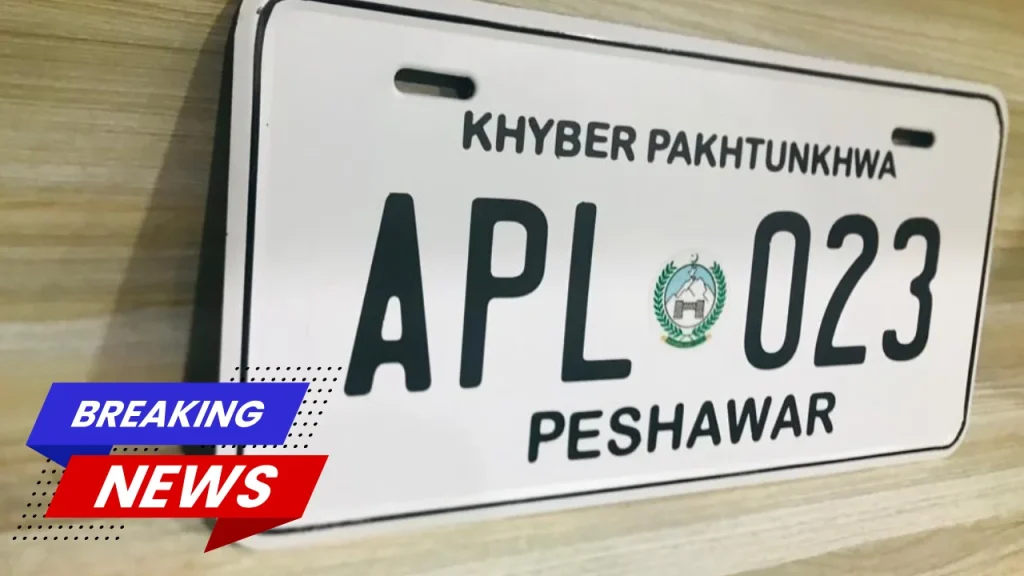
The PRM model shifts vehicle documentation from a chassis number based system to an owner based registration approach. This means the number plate will now belong to the person, not the vehicle.
Authorities say the goal is to improve vehicle traceability, curb misuse of unregistered vehicles, and bring KP’s registration framework closer to international standards.
What Is the PRM System and How It Works
Under the new setup, the registration number is assigned to the owner, similar to a CNIC or mobile number. This registration mark stays with the owner permanently and can be reused on any vehicle they buy in the future.
This change is important because it makes vehicle ownership records simpler and more secure, especially during sales and transfers.
Key features include:
- The registration number belongs to the owner, not the vehicle.
- It can be reused when the owner buys another car.
- If the car is sold, the registration number stays with the previous owner.
- Buyers must apply for a new number for their purchased vehicle.
- The owner may keep the number unused for up to three years.
Officials said the system is modelled on practices followed in several developed countries where personalised plates are common and safer for identification.
Registration Numbers Now Linked to CNIC, Not Chassis Number
A major change introduced under PRM is that the new registration numbers and plates will be linked directly to the owner’s CNIC.
Previously, vehicle registrations were tied to the vehicle’s chassis number, making transfers slow and difficult to track.
By moving to a CNIC based model, authorities aim to:
- Reduce misuse of duplicate or fake number plates
- Improve identification in case of vehicle theft or criminal activity
- Maintain updated digital records
- Make transfers faster and more reliable
The Excise and Taxation Department has already updated its system to support CNIC based registration and smart card issuance.
Vehicle Transfer Rules Under the New PRM System
The KP government has issued a detailed set of transfer rules that vehicle owners must follow. These rules aim to ensure proper ownership shifts and avoid the misuse of vehicles under someone else’s name.
When a Vehicle Is Sold
- The old registration number remains with the previous owner.
- A new number must be applied for by the buyer.
- The CNIC linked registration copy or smart card will be deactivated, but it will remain in the seller’s possession.
Transfer Requirement for Sellers and Buyers
- Sellers must ensure ownership change is completed before handing over the vehicle.
- Buyers must apply for a fresh registration mark in their own name.
Timeline for Transfer
Vehicle owners are required to transfer newly purchased vehicles into their own name within three months, according to the official notification.
Owners Can Retain Plates for Three Years
A major benefit for citizens is the ability to keep their personalised registration number unused for up to three years.
This is helpful for people who sell a vehicle but need time before purchasing another one.
Important points include:
- The registration number can remain inactive for three years.
- Biometric verification must be done every year to keep it active.
- After three years of inactivity, the number will be cancelled automatically.
- The plates, smart card, and registration copy must be returned to the Excise Department if the number is cancelled.
These rules are designed to stop the misuse of inactive plates and prevent illegal cloning.
PRM System Expected to End Fake Plates and Vehicle Cloning
Chief Minister Sohail Afridi stated that the new registration model will greatly improve transparency in the vehicle registration process.
According to him, the PRM approach will help:
- Eliminate fake plates circulating in the province
- Prevent vehicle cloning, which is often used in fraud cases
- Improve the accuracy of law enforcement tracking
- Make registration faster and corruption free
Officials added that by linking numbers to CNIC and digitising all records, the system will make it easier for authorities to identify vehicle owners within minutes.
Fully Online Registration to Be Introduced Soon
The Chief Minister has directed the Excise Department to develop a complete online vehicle registration system. The goal is to reduce foot traffic at offices and simplify the entire process for citizens.
The upcoming online system is expected to offer:
- Online applications for new registration numbers
- Biometric verification through mobile devices
- Online tax and fee payments
- Home delivery of smart cards and plates
- Real time tracking of application status
This step aligns with the government’s plan to digitise public services and reduce corruption.
Why KP Shifted to an Owner Based Registration Model
Officials say the new approach will solve several long standing issues in the province’s registration framework.
Problems With the Old System
- Difficulty in tracking a vehicle that changed multiple owners
- Misuse of open transfer letters
- Delays in updating records
- Fake plates often used for criminal activities
- Duplicate plates issued illegally
What the New System Solves
- Instant verification through CNIC
- No more “open letter culture”
- Digital updates every time a vehicle changes hands
- Real time monitoring of plate issuance
- Secure and traceable record keeping
Authorities believe that the PRM model will result in a more secure documentation environment for vehicles across KP.
How the New Rules Will Affect Vehicle Buyers
People planning to buy a vehicle in KP will now need to adjust to the updated process.
Buyers must:
- Apply for a new registration number in their own name
- Ensure the seller’s number is removed from the vehicle
- Complete biometric verification
- Pay the required registration fee
This will help maintain transparency and avoid future disputes regarding ownership.
How the New Rules Will Affect Current Vehicle Owners
Current owners do not need to panic. The government has allowed a smooth transition period.
- All owners must transfer vehicles into their own name within three months.
- If someone already owns a personalised number, they can shift it to any new vehicle they buy.
- If they want to keep the number inactive, it can be retained for three years with annual biometric verification.
- The goal is to give citizens enough time to adjust while maintaining security.
Expected Benefits for Law Enforcement and Public Safety
Police and Excise officials believe the PRM system will make it easier to track suspicious vehicles.
Since plates will be linked to a verified CNIC, misuse of fake or duplicate plates will drop significantly.
Benefits include:
- Faster identification of vehicles involved in crimes
- Accurate information available during routine checks
- Reduction in stolen vehicles using fake plates
- Strong digital record keeping for investigations
This will help improve the overall safety and security situation across the province.
Conclusion
The launch of the PRM vehicle registration system marks a major upgrade in how vehicles are documented in Khyber Pakhtunkhwa. By linking registration numbers to CNIC and giving owners full control over their personalised plates, the government aims to make the process modern, secure and easier to manage.
With the shift to digital monitoring, annual biometric verification and upcoming online services, the new system is expected to reduce fraud, stop fake number plates and support law enforcement in tracking vehicles more effectively.