
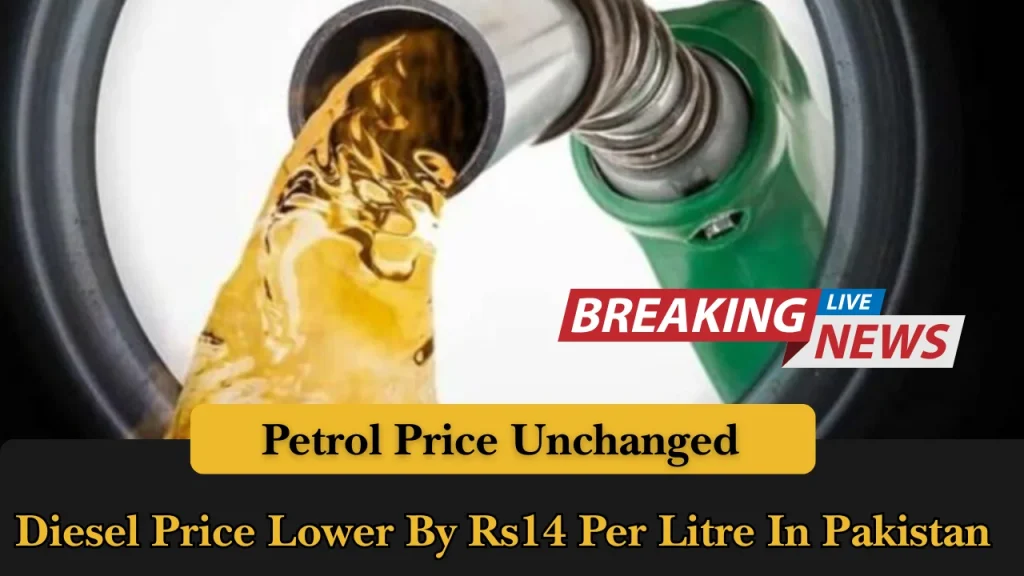
Petrol Price Unchanged, Diesel Price Lower By Rs14 Per Litre In Pakistan
The federal government has announced a fresh review of petroleum prices for the current fortnight. According to the latest decision, the price of petrol has been kept unchanged, while the price of high-speed diesel has been reduced by Rs14 per litre. This move comes at a time when many households and businesses in Pakistan are struggling with rising living and operating costs.
Fuel prices affect almost every part of daily life, from transport fares to food prices. That is why such announcements are closely watched by the public. Below is a simple and clear breakdown of what this decision means, why it was taken, and how it may impact ordinary Pakistanis.
Latest Fuel Prices Announced by the Government
In the recent price review, the government decided to keep petrol prices steady. At the same time, it provided relief to diesel users by cutting its price significantly.
Here is a simple summary:
- Petrol price: No change, remains the same as the previous fortnight
- High-speed diesel price: Reduced by Rs14 per litre
Petrol is mainly used by private cars, motorcycles, and small vehicles. Diesel, on the other hand, is widely used in transport, agriculture, and power generation. Because of this, a diesel price cut usually has a wider impact on the economy.
Why Was Diesel Price Reduced?
The reduction in diesel prices is linked to changes in international oil prices and exchange rate trends. Over the past few weeks, global diesel prices showed a downward trend. This allowed the government some room to pass on relief to local consumers.
Another key reason is economic pressure. Transporters, farmers, and traders have been demanding relief, as diesel costs directly affect:
- Goods transport across cities
- Agricultural machinery such as tractors and tube wells
- Power generation in some industries
By reducing diesel prices, the government aims to control inflation and ease pressure on essential services.
Why Was Petrol Price Kept Unchanged?
Many people ask why petrol prices were not reduced as well. The reason is that petrol prices in the global market did not fall as much as diesel during the review period. Also, petrol is a major revenue source for the government through taxes and levies.
Keeping petrol prices unchanged helps the government:
- Maintain tax revenue targets
- Manage budget deficits
- Avoid frequent price changes that create uncertainty
While this may disappoint motorcycle and car users, the decision reflects a balance between public relief and fiscal needs.
Impact on Transport and Goods Prices
Diesel is the backbone of Pakistan’s transport system. Most buses, trucks, and delivery vehicles run on diesel. A Rs14 per litre cut can bring some relief to this sector.
Expected effects include:
- Lower operating costs for transporters
- Reduced pressure on intercity freight charges
- Possible stabilisation of food and essential item prices
However, it is important to note that price reductions do not always show immediate results. Transport fares and goods prices may take time to adjust.
Relief for Farmers and the Agriculture Sector
Farmers are among the biggest users of diesel in Pakistan. Tractors, harvesters, and tube wells depend heavily on diesel fuel. A price cut can directly help reduce farming costs.
Possible benefits for farmers include:
- Lower cost of running agricultural machinery
- Reduced irrigation expenses where diesel tube wells are used
- Some relief in overall crop production costs
This step may support agricultural output, especially during active farming seasons.
Effect on Inflation and Household Budgets
Fuel prices play a major role in overall inflation. When diesel becomes cheaper, it can help control the prices of items that rely on transport.
For households, this may mean:
- Slight relief in food prices over time
- Reduced pressure on utility and service costs
- More stable monthly budgets for small businesses
That said, one fuel price cut alone cannot solve inflation. It works best when combined with other economic measures.
Government’s Role in Fuel Price Setting
In Pakistan, fuel prices are reviewed fortnightly by the federal government. The process involves several steps and institutions to ensure transparency.
The key factors considered include:
- International oil prices
- Exchange rate movements
- Taxes and petroleum levy
- Inland freight and distribution costs
The final prices are usually announced by the Ministry of Finance after consultation with relevant authorities.
For official updates and notifications, readers can refer to government sources such as the Ministry of Finance:
https://www.finance.gov.pk
Taxes and Levies on Petroleum Products
A major portion of fuel prices in Pakistan comes from taxes and levies rather than the actual cost of oil. These include petroleum levy and general sales tax in some cases.
Important points to understand:
- Petroleum levy is a key source of government revenue
- Changes in levy can affect prices even if oil prices fall
- Government often adjusts levy to manage budget needs
This explains why fuel prices do not always move exactly in line with global oil markets.
Public Reaction to the Latest Price Decision
Public response to the announcement has been mixed. Diesel users, especially transporters and farmers, have welcomed the decision. Many petrol users, however, feel left out as they were expecting a reduction as well.
Common public views include:
- Appreciation for diesel price relief
- Concern over unchanged petrol prices
- Hope for further reductions if global prices fall
Such reactions show how closely fuel prices are linked to everyday life in Pakistan.
What to Expect in the Next Review?
Fuel prices are reviewed every 15 days, so another decision will be made soon. Future prices will depend on international oil trends and local economic conditions.
People should keep an eye on:
- Global oil market movements
- Exchange rate changes
- Government tax and levy policies
Any major shift in these factors can lead to another price adjustment, either up or down.
Tips for Managing Fuel Costs as a Consumer
While fuel prices are beyond individual control, small steps can help manage costs better.
Some practical tips include:
- Plan trips to reduce unnecessary travel
- Keep vehicles well-maintained for better mileage
- Use public transport where possible
- For businesses, optimise delivery routes
These steps may not eliminate fuel expenses but can help reduce their impact.
Conclusion
The government’s decision to keep petrol prices unchanged while cutting diesel prices by Rs14 per litre offers targeted relief to key sectors of the economy. Diesel users, especially in transport and agriculture, are likely to benefit the most. Over time, this move may also help control inflation and stabilise essential goods prices.
However, fuel pricing remains a complex issue influenced by global markets, taxes, and fiscal needs. For now, the diesel price cut is a positive step, while petrol users will be watching closely for relief in future reviews. As always, staying informed through official government updates helps citizens understand these important economic decisions.